


Veteran Mental Health Challenges: Understanding the
Transition and Finding Support
If you or someone you love has served in the military and is now adjusting to life outside of it, you may have noticed that the transition is not always as straightforward as people expect. On the surface, things might look fine. You are home, moving forward, figuring out next steps. But internally, it can feel different.
There can be a sense that something has shifted. Maybe it is harder to relax, or harder to connect with people in the same way. You might feel out of place in situations that used to feel normal, or unsure how to explain what you are experiencing.
For many veterans, this part is unexpected. And it can feel isolating, especially when it is difficult to put into words.
Key Takeaways
- Many veterans experience mental health challenges during and after transitioning to civilian life
- Common experiences include anxiety, PTSD symptoms, depression, and difficulty reconnecting with others
- The shift from structured military life to civilian life can feel disorienting
- These patterns are often connected to how the nervous system adapts during service
- Support, including therapy and community, can help with adjustment and healing
- You do not have to navigate this transition on your own
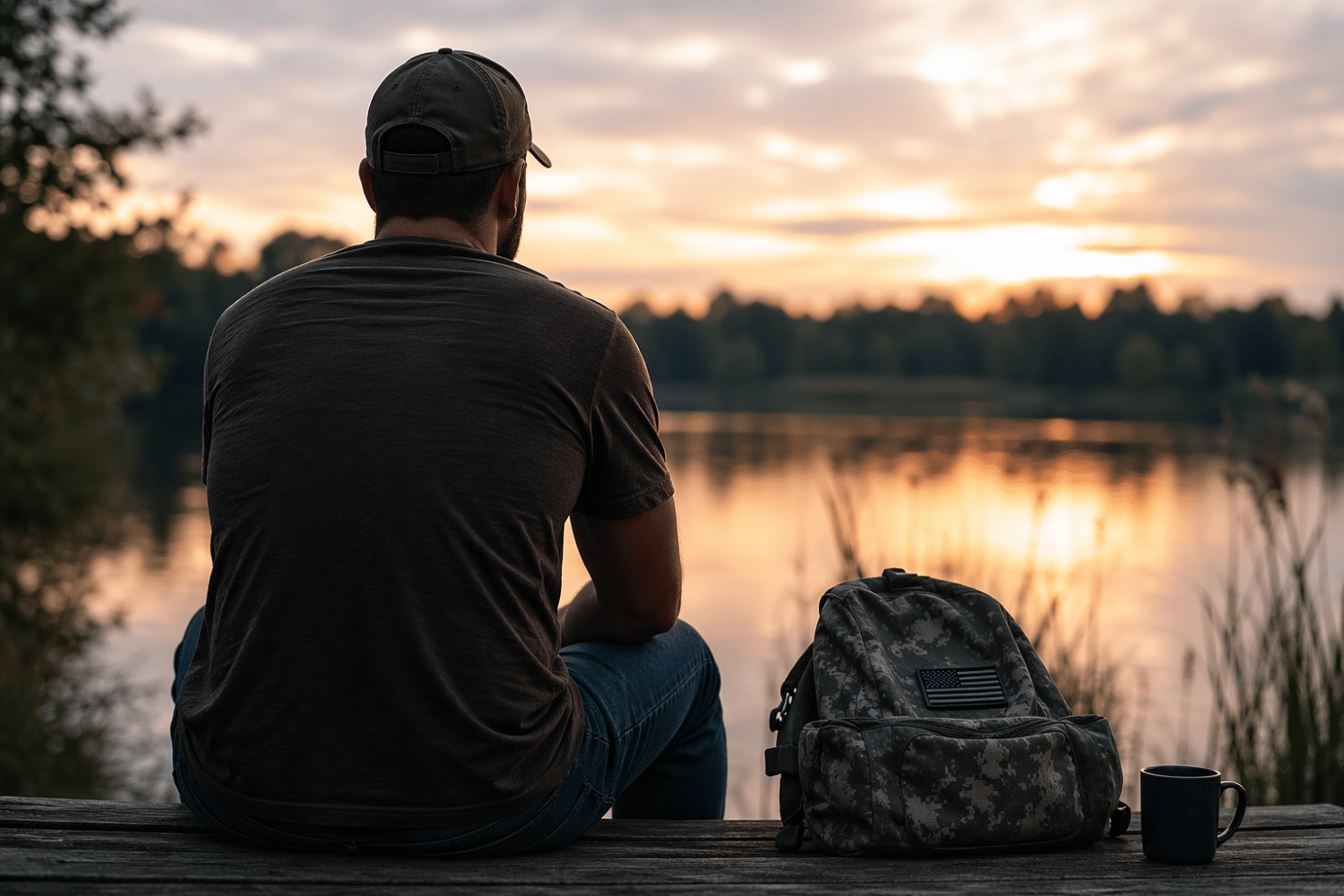
The Reality of Transitioning to Civilian Life
Leaving the military often means stepping out of a clear structure. Your role, responsibilities, and expectations were defined. There was a sense of direction, even on difficult days.
Civilian life can feel very different.
There is often more uncertainty. More decisions. Less built-in structure. You may find yourself asking questions you did not have to think about before, like what direction to go in, what your purpose looks like now, or where you fit.
Some people adjust quickly. Others find that it takes time.
It is not uncommon to feel like you are in between two worlds for a while. Not fully in the military anymore, but not fully settled into civilian life either.
How Mental Health Challenges Can Show Up
For many veterans, the challenges are not always obvious at first. They tend to show up in everyday moments.
You might notice feeling more on edge than usual, even in safe environments. It can be difficult to relax, like your body is still in a state of readiness.
Sleep can be affected. Some nights it is hard to fall asleep. Other nights you wake up frequently or feel tense even when resting.
There can also be changes in mood. Irritability, frustration, or feeling low without a clear reason. Some people describe feeling disconnected or emotionally flat, like they are going through the motions but not fully present.
These experiences can be confusing, especially when life on the outside is supposed to feel easier.
The Impact of Military Training on the Nervous System
Military training is designed to prepare you for high pressure environments. It teaches you to stay alert, respond quickly, and focus on safety.
These skills are important and necessary.
The challenge is that your nervous system does not automatically shift back when you leave that environment.
You might still find yourself scanning your surroundings, staying aware of exits, or feeling uncomfortable in situations where there is less control.
Even quiet environments can feel unfamiliar. Slowing down can feel uncomfortable instead of relaxing.
This is not something you are doing wrong. It is your system continuing to operate in a way that once kept you safe.
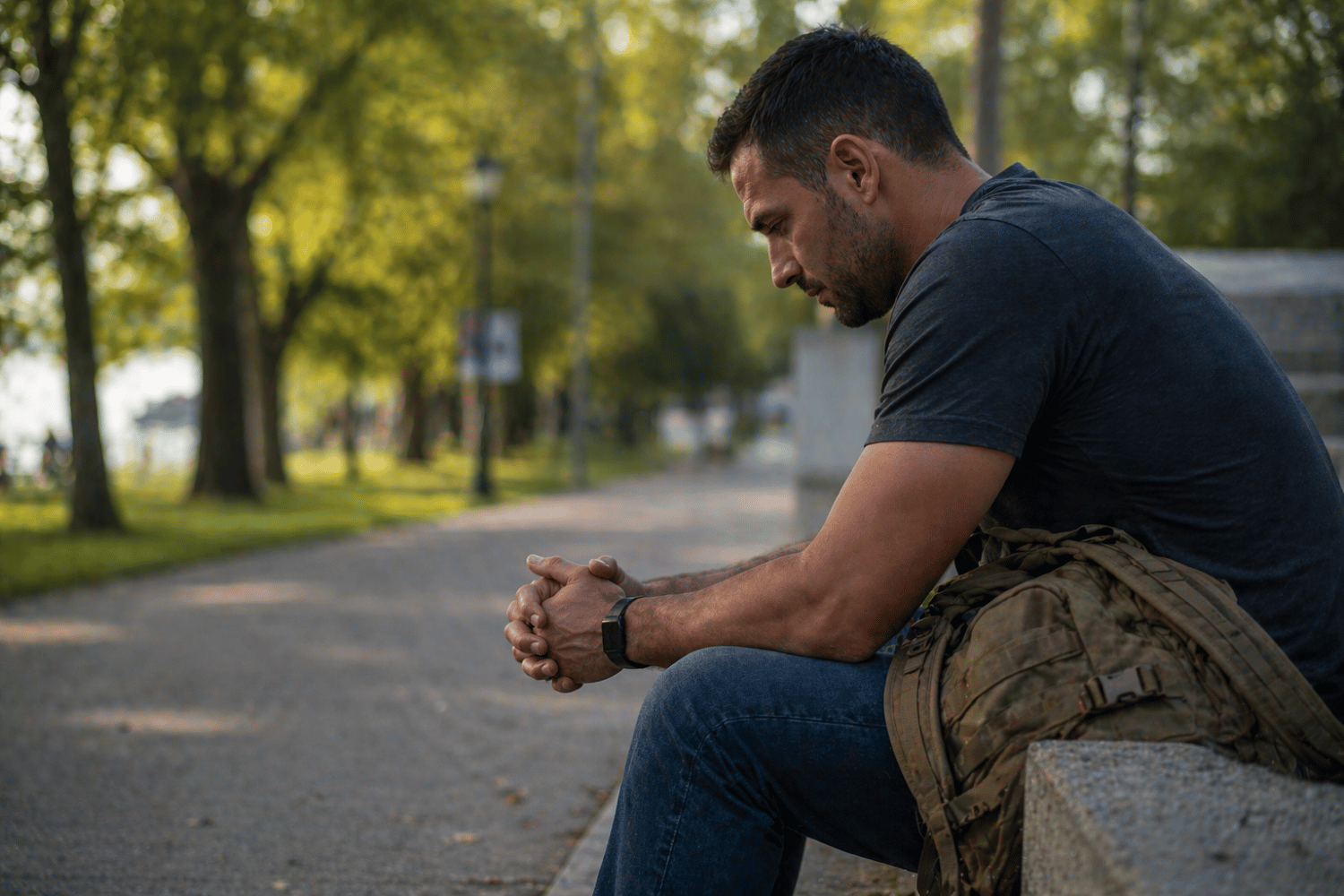
Changes in Identity and Purpose
One of the deeper parts of this transition is identity.
In the military, there is often a strong sense of who you are and what you are working toward. There is structure, shared experience, and a clear role within a team.
After leaving, that clarity can shift.
You might find yourself questioning what your purpose looks like now or how to define yourself outside of that role. Things that once felt clear can feel uncertain.
Many veterans describe missing the structure, the sense of direction, and the connection that came with service.
This does not mean something is wrong. It means you are adjusting to a significant change.
How Relationships Can Be Affected
Relationships often shift during this transition as well.
You may feel like the people around you do not fully understand your experience. Even when they care, it can be hard to explain what you have been through or how things feel now.
At times, it may feel easier to keep things to yourself.
You might also notice changes in how you respond emotionally. Maybe you feel more distant, or more easily frustrated. Conversations that used to feel simple can take more effort.
This can create distance, even when that is not what you want.
Why These Experiences Are Common
A lot of veterans wonder if they should be handling this better.
But these experiences are more common than people realize.
Your mind and body adapted to a very specific environment. It makes sense that there would be an adjustment period when that environment changes.
From a therapeutic perspective, these patterns are not signs of failure. They are signs that your system learned how to function in a high demand setting and is now working to adjust.
That adjustment can take time.

Beginning to Adjust and Rebuild
There is no single way to move through this transition, but there are steps that can help.
For some people, building structure again is important. Creating routines, even simple ones, can bring a sense of stability.
Connection also matters. This might be with other veterans, friends, or family members who are willing to listen without judgment.
Physical activity can help regulate stress and create a sense of balance.
And over time, exploring what purpose looks like now can help rebuild a sense of direction. This does not have to happen all at once.
The Role of Support
You do not have to figure this out alone.
For many veterans, having a place to talk openly about their experiences can make a meaningful difference. Not because everything changes immediately, but because there is space to process what has been carried for a long time.
Therapy can provide support in understanding how your experiences are affecting you now and help you develop ways to manage stress, reconnect, and move forward.
At Ezra Counseling, we often work with veterans who feel stuck in this transition. With the right support, things can begin to feel more manageable and more steady over time.
Moving Forward
Adjusting to life after service is not a single moment. It is a process.
Some days may feel easier than others. Some parts may take longer to figure out.
If you have been feeling out of place, disconnected, or unsure of what comes next, it does not mean you are doing something wrong. It means you are navigating a significant transition.
With time, understanding, and support, it is possible to find a sense of stability again. To feel more connected. To move forward in a way that feels meaningful.
If you have been thinking about reaching out for support, that can be a meaningful place to start.
Your Questions Answered
Is it normal to struggle after leaving the military?
Yes, it is very common. The transition from military to civilian life involves significant changes in structure, identity, and daily routine. Many veterans experience emotional and mental health challenges during this time, including stress, anxiety, or feeling disconnected. These responses are not a sign of weakness. They are a natural result of adjusting to a very different environment after service.
Why is it hard to adjust to civilian life?
Military life provides clear roles, expectations, and a strong sense of purpose. When that structure is no longer present, civilian life can feel uncertain and unstructured. Veterans may also find that their nervous system is still operating in a heightened state of awareness, which can make it difficult to relax or feel at ease. In addition, changes in identity and social connection can make the adjustment feel even more complex.
What kind of therapy helps veterans?
There are several therapeutic approaches that can support veterans, depending on individual needs and experiences. Trauma-informed therapy focuses on understanding how past experiences affect the present. Approaches like EMDR (Eye Movement Desensitization and Reprocessing) can help process difficult memories and reduce their emotional intensity. Other options, such as cognitive behavioral therapy (CBT), can help with managing anxiety, depression, and thought patterns. A therapist experienced in working with veterans can help guide this process in a way that feels safe and manageable.
How can family support a veteran?
Family support can make a meaningful difference during the transition to civilian life. One of the most important things is listening without judgment or pressure to “fix” things. Being patient, consistent, and open can help create a sense of safety. It can also be helpful to learn about common challenges veterans face, so you better understand what they may be experiencing. Encouraging support, such as therapy or peer connections, can be valuable, but it is important to approach those conversations with care and respect.

We are a Scottsdale based collective of licensed therapists dedicated to helping and guiding people by creating a safe, warm and authentic environment.


