


Why Summer Anxiety Happens (And How to Prevent It Early)
If you have already started feeling emotionally exhausted before summer has fully begun, you are not alone. For many people, this season brings more pressure than peace. Schedules change, routines disappear, social expectations increase, and there can be an unspoken feeling that summer is supposed to feel fun, easy, and carefree.
But for some people, summer feels overstimulating instead.
You might notice yourself feeling more anxious, emotionally drained, irritable, or overwhelmed without fully understanding why. And sometimes, that experience can feel confusing when everyone around you seems excited for vacations, gatherings, and busy plans.
The reality is that seasonal transitions can affect mental health more than people realize. The good news is that recognizing those patterns early can help you care for yourself before anxiety becomes overwhelming.
Key Takeaways
- Summer anxiety is more common than many people realize.
- Disrupted routines, overstimulation, and social pressure can increase emotional overwhelm.
- Anxiety often builds gradually before people recognize it.
- Small routines, boundaries, and emotional awareness can help prevent burnout.
- You do not have to wait until things feel unmanageable to seek support.
Why Summer Can Feel Emotionally Overwhelming
Summer tends to remove many of the rhythms people rely on during the rest of the year. School schedules change, vacations interrupt routines, children are home more often, and calendars can quickly become full.
Even positive things can feel emotionally draining when there is little time to slow down.
For parents, summer can bring constant planning, childcare stress, financial pressure, and very little downtime. Teens and young adults may feel increased loneliness, social anxiety, or comparison. Adults often feel pressure to stay productive while also trying to enjoy the season.
In Arizona, the heat can also affect emotional regulation more than people expect. Sleep disruption, overstimulation, dehydration, and spending more time indoors can quietly increase stress and irritability.
Sometimes anxiety during summer is less about one major problem and more about the accumulation of constant demands.
And when everyone else appears relaxed or happy, it can become easy to minimize your own emotional experience.
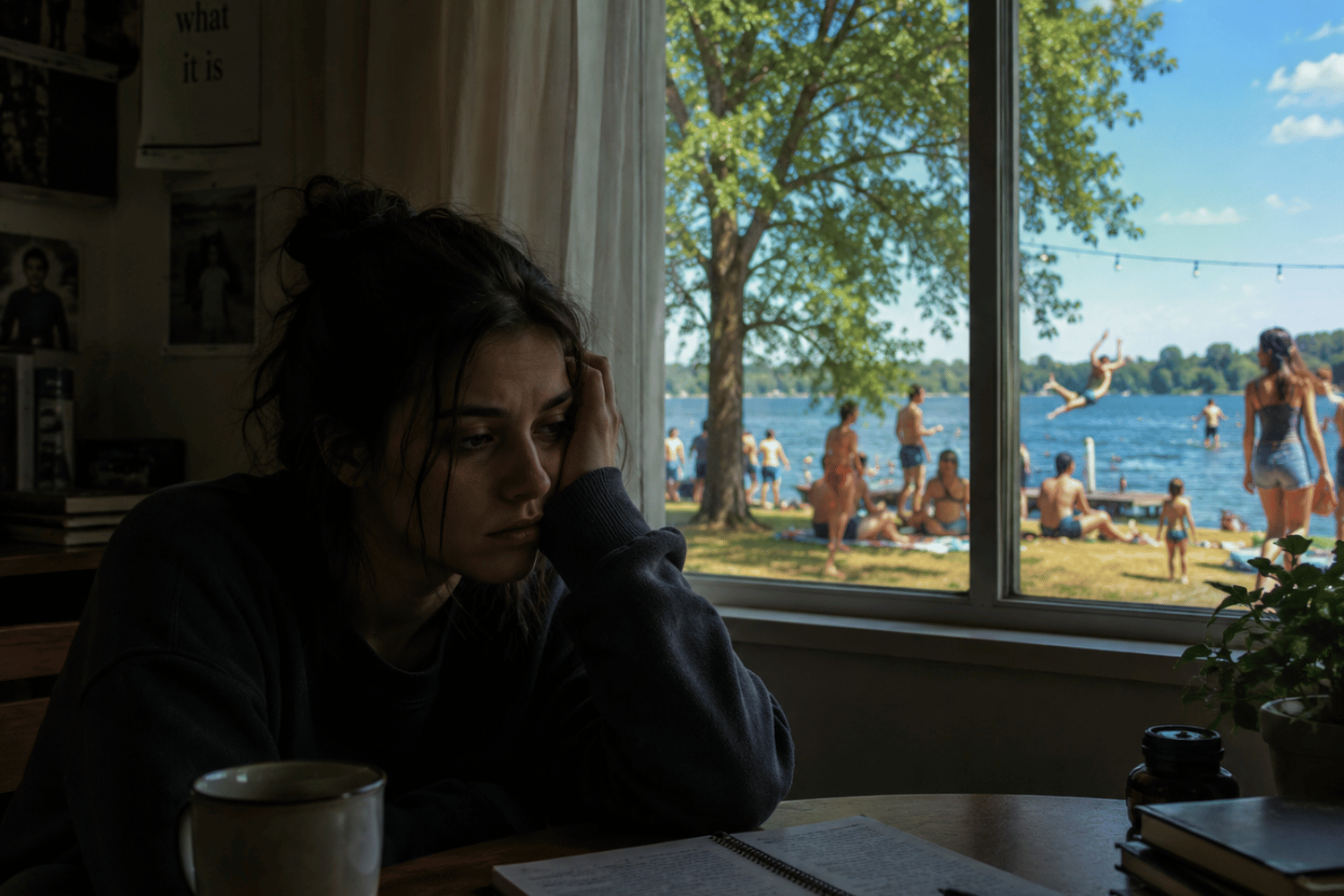
Anxiety Often Starts Quietly
For many people, summer anxiety does not show up all at once.
It often begins with small signs that are easy to dismiss.
You may notice yourself feeling more irritable than usual. Maybe your patience feels shorter. Maybe it becomes harder to relax at night, even when you are tired.
Some people begin avoiding plans because everything feels emotionally exhausting. Others stay constantly busy because slowing down feels uncomfortable.
You might feel emotionally disconnected, overstimulated, restless, or mentally drained without fully understanding why.
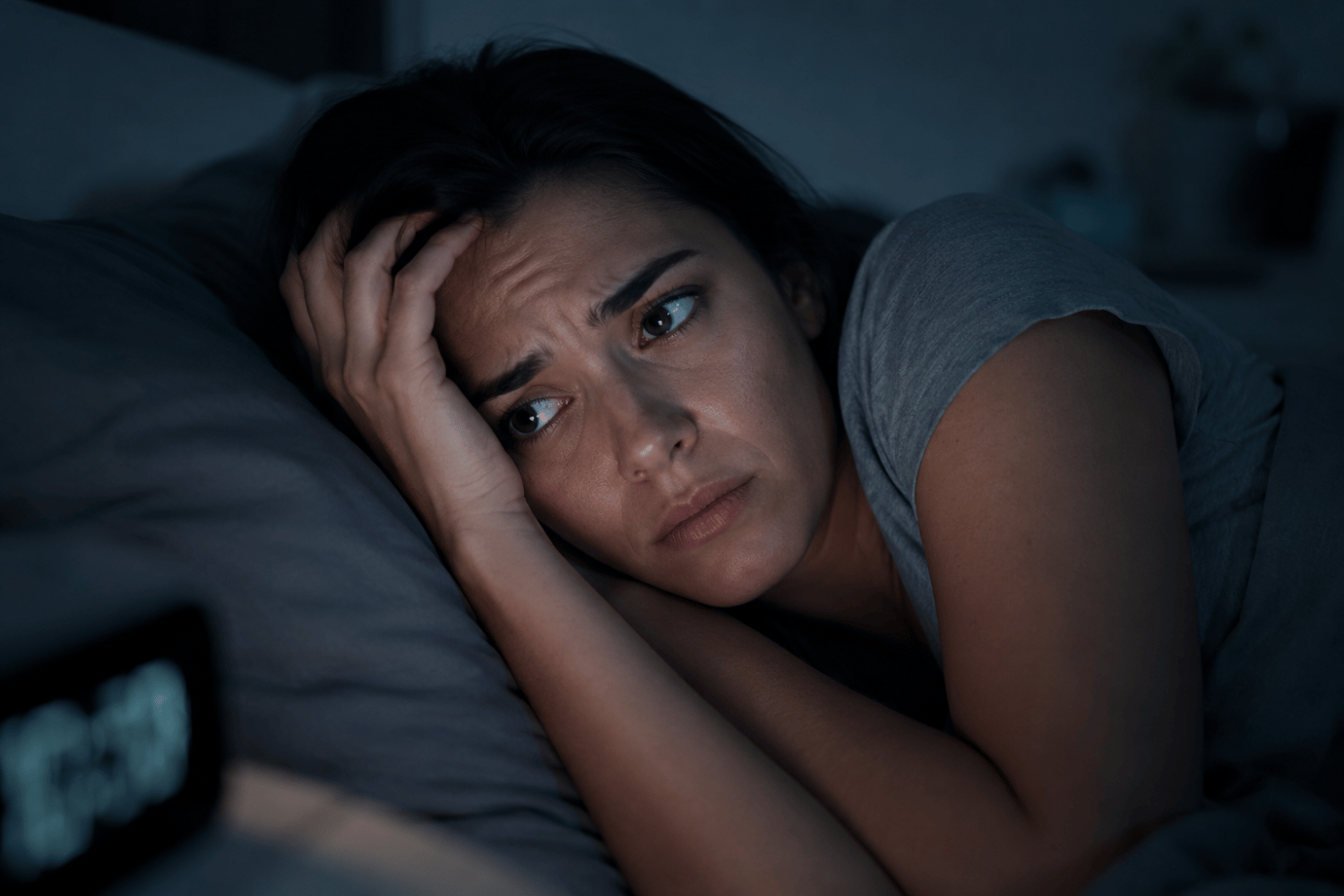
Sometimes anxiety shows up physically too. Headaches, muscle tension, difficulty sleeping, racing thoughts, stomach discomfort, and emotional fatigue can all be connected to chronic stress on the nervous system.
These experiences are not signs of weakness. Often, they are signs that your mind and body are asking for support.
Preventing Anxiety Before It Builds
One of the most helpful things you can do during seasonal transitions is pay attention to your emotional needs early instead of waiting until you reach burnout.
That does not mean controlling every part of your summer perfectly. It means creating enough stability and rest for your nervous system to feel supported.
For some people, that starts with protecting simple routines.
Consistent sleep, meals, quiet time, movement, and rest can help create a sense of grounding even during busy seasons. Small rhythms often matter more than complicated plans.
Boundaries matter too.
Summer can create pressure to say yes to everything. Social events, travel, activities, family obligations, and packed schedules can leave very little space to recover emotionally.
Giving yourself permission to slow down is not selfish.
Sometimes emotional health looks like leaving space between plans. Saying no without guilt. Taking breaks from social media. Choosing rest instead of productivity.
It can also help to check in with yourself honestly throughout the season.
You might ask:
- What has been emotionally draining lately?
- Am I overwhelmed or overstimulated?
- What do I actually need right now?
- Have I given myself space to rest?
These small moments of awareness can help prevent anxiety from continuing to build unnoticed.

When Anxiety Starts Affecting Daily Life
Sometimes anxiety moves beyond temporary stress.
You may notice it becoming harder to sleep, focus, stay emotionally present, or manage everyday responsibilities. Relationships may begin feeling more strained. Small situations may suddenly feel overwhelming.
For some people, unstructured seasons can also surface unresolved grief, trauma, loneliness, or emotional exhaustion that has been pushed aside during busier parts of the year.
Support can help before things reach a breaking point.
At Ezra Counseling, we work with individuals, teens, couples, and families navigating anxiety, overwhelm, trauma, and life transitions. Therapy provides space to slow down, understand what is happening beneath the surface, and develop healthier ways to cope and regulate stress.
You do not have to wait until anxiety feels unbearable to talk with someone.
Moving Through Summer With More Compassion for Yourself
Not every season of life feels light or easy. And not every summer feels relaxing.
If you have been feeling more overwhelmed than excited lately, there is nothing wrong with you.
Your mind and body may simply be asking for more care, more rest, and more support than you have been giving yourself.
Sometimes healing starts by noticing what you need before you completely run out of energy trying to hold everything together.
And sometimes, creating a healthier summer begins by letting go of the pressure to make it look perfect.

Your Questions Answered
Why does anxiety get worse during summer?
Summer can disrupt routines, increase social pressure, affect sleep, and create overstimulation, all of which can contribute to increased anxiety.
Can heat and weather affect anxiety?
Yes. Heat, dehydration, poor sleep, and physical discomfort can affect nervous system regulation and increase feelings of irritability or overwhelm.
Is summer anxiety common?
Very common. Many people experience increased emotional stress during seasonal transitions, even during seasons that are expected to feel enjoyable.
What are early signs of summer anxiety?
Irritability, trouble sleeping, emotional exhaustion, racing thoughts, overstimulation, and avoidance can all be early signs.
How do I know if therapy could help?
If anxiety is consistently affecting your emotions, relationships, sleep, work, or daily functioning, therapy may provide helpful support and coping tools.

We are a Scottsdale based collective of licensed therapists dedicated to helping and guiding people by creating a safe, warm and authentic environment.


